OUR BLOGS
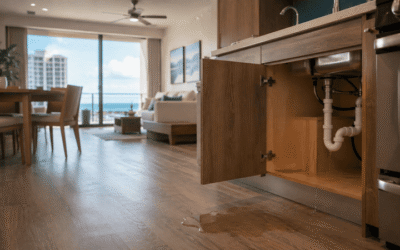
Water Damage in Honolulu Vacation Rentals: What Owners and Property Managers Need to Know
August is peak season for Oahu's vacation rental market, with back-to-back bookings running through properties in Waikiki, Kakaako, and neighborhoods across the island. That constant turnover is good for revenue, but it also creates a water damage risk that...
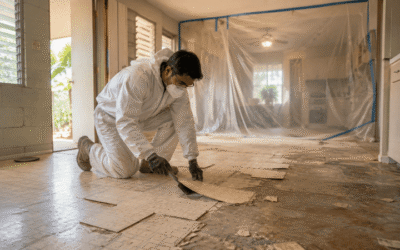
Renovating an Older Honolulu Home This Summer? Why Asbestos Testing Should Come First
Summer is when a lot of Honolulu homeowners finally start the renovation project they've been planning all year — a kitchen update, a bathroom remodel, pulling up old flooring, or opening up a wall for a new layout. It's also, unfortunately, the time of year we see...
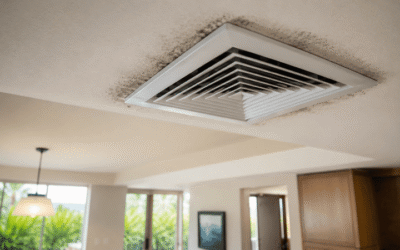
Summer Humidity and AC Systems: A Hidden Mold Risk in Honolulu Homes
July is peak humidity season in Honolulu, and it's also the time of year when homes are sealed up tighter than usual — windows closed, AC running constantly, and less natural airflow moving through the house. That combination, while comfortable, creates one of the...
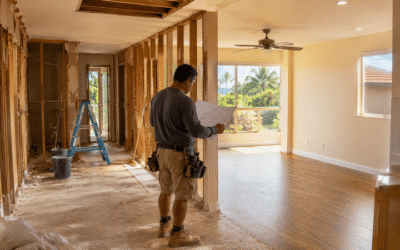
From Water Damage to Full Rebuild: What to Expect When Your Honolulu Restoration Project Needs a General Contractor
Most restoration jobs in Honolulu start the same way — a pipe fails, a storm gets in, a fire leaves smoke and structural damage — and end with drying equipment, cleanup, and a homeowner back in their space within a week or two. But a meaningful number of projects...
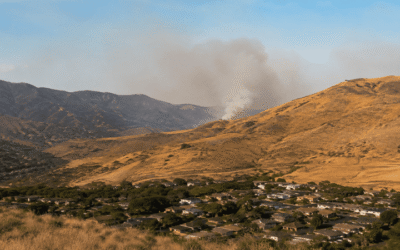
Wildfire and Brush Fire Season on Oahu: What Honolulu Homeowners Should Know
Summer in Honolulu means dry trade winds, browning hillsides, and a noticeable drop in rainfall that lasts through the fall. It also means Oahu's wildfire risk climbs sharply. Hawaii's 2023 Maui wildfires changed how the entire state thinks about fire danger, and that...
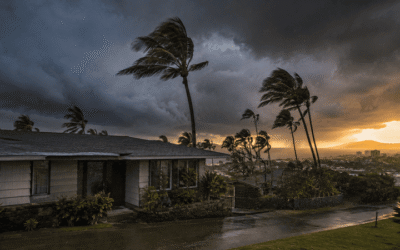
Hurricane Season in Honolulu: How to Protect Your Home From Water Damage Before the Storm Hits
June 1st marks the official start of hurricane season across the Central Pacific, and for Honolulu homeowners, that date carries more weight than a line on a calendar. Oahu doesn't take a direct hit from a major hurricane every year, but the island doesn't need one to...
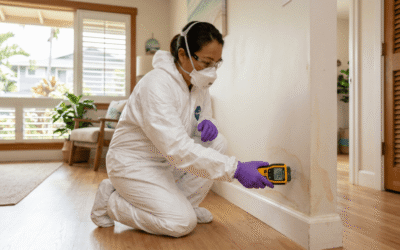
Hidden Mold in Honolulu Homes: What to Know Before It Spreads
Late May in Honolulu is when homeowners start noticing things they can't quite explain — a faint musty smell that comes and goes, a faint discoloration along a baseboard, or an allergy flare-up that started indoors rather than outside. In many cases, what they're...
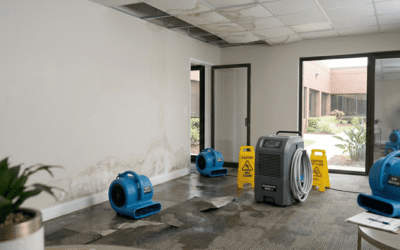
Commercial Water Damage Restoration in Honolulu: What Business Owners Need to Know
Water damage in a commercial property operates on a completely different scale than water damage in a home. When a pipe fails overnight in a Honolulu office building, a restaurant kitchen, a retail storefront, or a hotel corridor, the water doesn't wait for business...
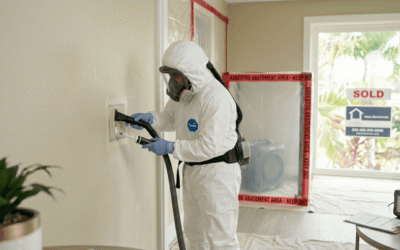
Asbestos Abatement in Honolulu: What Buyers and Sellers Need to Know
Spring is the busiest season in Honolulu's real estate market, and for buyers and sellers transacting in Oahu's older housing stock, asbestos is one of the most common — and most misunderstood — complications that can arise between offer acceptance and closing....
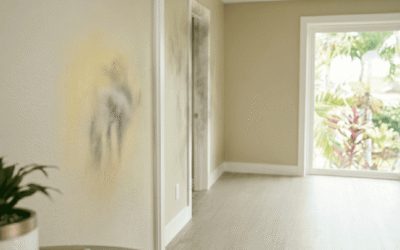
Smoke Odor Removal in Honolulu: What Actually Works and Why It Matters
Smoke odor is one of the most stubborn and pervasive problems a Honolulu homeowner can face. Unlike most household odors, smoke does not simply linger in the air — it penetrates deeply into porous surfaces, embedding itself in drywall, wood framing, insulation,...